Turtle Season in the Ningaloo
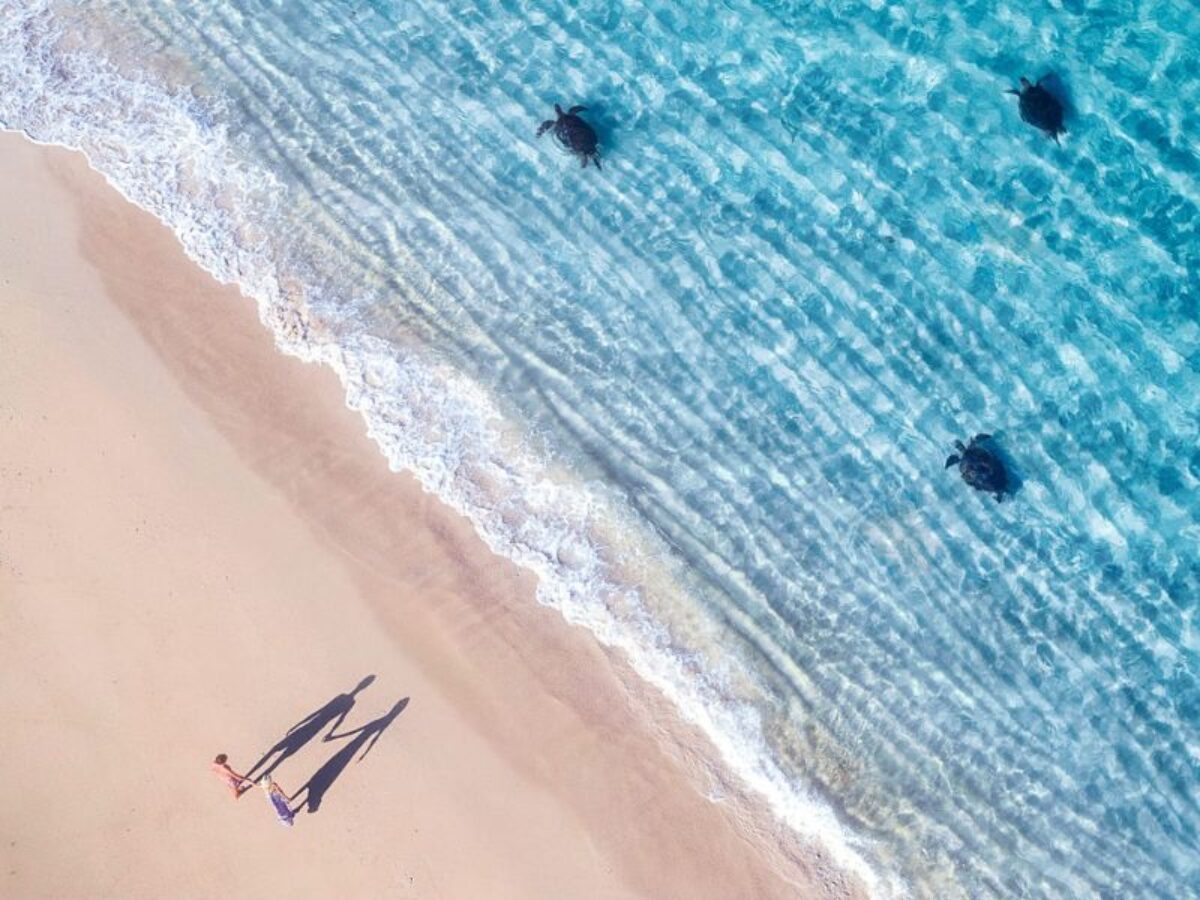
The Ningaloo Coast, a UNESCO World Heritage–listed treasure in Western Australia, is famous for its turquoise waters, coral reefs, and abundant marine life. Among the most unforgettable experiences for visitors is witnessing turtle season, when three of the world’s most iconic turtle species—green, loggerhead, and hawksbill—return to the shores to nest. If you’re planning a trip to Exmouth, timing your visit with turtle season is a chance to see nature at its most magical.
In this guide, we’ll explore when turtle season happens at Ningaloo, what you can expect during nesting and hatching, and how to enjoy the experience responsibly.
When Is Turtle Season in Ningaloo?
Turtle season on the Ningaloo Coast runs from November through March, with two key phases:
- Nesting season (November–February): Female turtles emerge from the ocean at night to lay their eggs in sandy dunes above the high tide mark. Each turtle can lay up to 120 eggs in a single nest, returning to the water before dawn.
- Hatchling season (January–March): After around 60 days of incubation, the tiny hatchlings break free from their nests and make a dash for the ocean. Early mornings and evenings are the best times to catch this heart-warming spectacle.
For visitors, this means the most rewarding months to visit are December to March, when you have the chance to witness both nesting adults and emerging hatchlings.
Where to See Turtles in Ningaloo
Some of the best places to spot turtles during the season include:
- Turtle Rookery Beaches in Cape Range National Park – Accessible from Exmouth, these stretches of coastline are important nesting sites. Jurabi Coastal Reserve in particular offers excellent viewing opportunities.
- Turtle Eco-Education Centre – Located near Exmouth, this interpretive centre provides insights into turtle behaviour, conservation challenges, and tips for responsible viewing.
- Coral Bay – A quieter option, Coral Bay is a fantastic spot to see turtles feeding on seagrass meadows year-round, with the added bonus of nesting activity during the season.
Joining a guided turtle tour is one of the best ways to experience turtle season. Local guides are trained to minimise disturbance while ensuring you get the most from your encounter.
Responsible Turtle Watching
As magical as turtle season is, it’s also a fragile time for these endangered species. Human activity can easily disrupt their natural behaviour. To help protect the turtles:
- Stay quiet and keep your distance. Use a red torch at night instead of a white light, as bright light can scare nesting turtles or disorient hatchlings.
- Never touch or pick up hatchlings. They need to make their own way to the ocean to build strength and survival instincts.
- Follow marked paths. Avoid trampling dunes where nests may be buried.
- Book with accredited eco-tour operators. This ensures your experience supports conservation and local community efforts.
By observing respectfully, you not only enjoy the moment but also contribute to the survival of future generations of turtles.
-
- Turtle season
Why Turtle Season Should Be on Your Ningaloo Itinerary
Few wildlife experiences rival the sight of a turtle emerging under a starlit sky to lay her eggs, or a clutch of hatchlings making their determined crawl toward the sea. Turtle season adds another layer to Ningaloo’s already incredible offerings, whether you’re there to swim with whale sharks, snorkel the reef, or hike the rugged Cape Range.
If you’re visiting Exmouth or Coral Bay between November and March, make sure turtle season is part of your itinerary. It’s not just an encounter with marine life; it’s a reminder of the delicate balance between people, wildlife, and the natural world.